Chemical Peels
Professional peels chosen for your skin and your calendar, used for tone and texture.
For the face
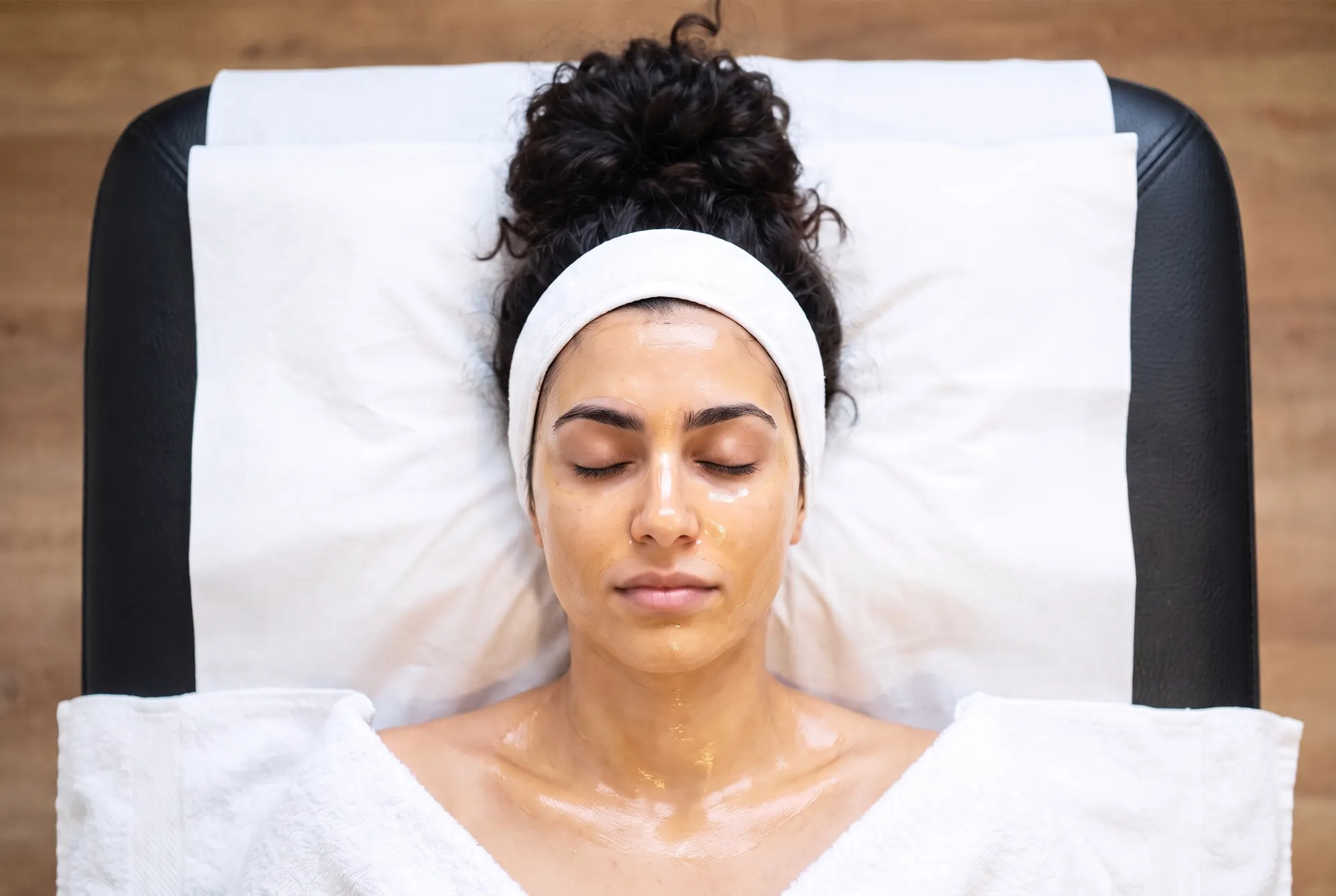
What are Chemical Peels?
A peel is chosen for your skin and your calendar. Strength is not a badge of honour.
A chemical peel is a solution applied to the skin to remove dead cells from the surface in a controlled way. Peels range from very gentle to stronger, and we choose the type and strength for your skin after your consultation.
How is it performed?
- We assess your skin and your goals, such as pigmentation or breakouts, and choose the type and strength of peel to suit them.
- We apply the peel chosen for your skin and leave it for a set time.
- We remove or neutralise the peel, apply a soothing product and explain your aftercare.
How do chemical peels work?
Chemical peels work by exfoliating the skin in a controlled way. The acids used help loosen the bonds between surface skin cells and remove their buildup, which may reveal smoother skin with a more even look. Their effects vary with the acid used and the depth of the peel.
How do chemical peels work on pigmentation, marks left by acne and skin rejuvenation?
Chemical peels create a controlled effect within the skin's layers, stimulating skin renewal and helping to gradually remove cells containing accumulated melanin. This may reduce pigmentation and brown marks left after acne and improve the evenness of skin tone. Depending on the formulation, treatment may include ingredients that reduce the activity of tyrosinase, an enzyme involved in melanin production, to help limit the formation of new pigment.
Peels also activate the skin's repair response and may stimulate collagen production and remodelling, depending on the substance used and its depth of action. This may help improve skin texture, fine lines and the appearance of some superficial acne scars.
For skin affected by redness and red or pink marks left after acne, the suitability of carefully selected formulations is assessed as part of a plan aimed at soothing the skin and improving its appearance. In cases of rosacea, treatment selection depends on the stability of the condition and the sensitivity of the skin.
Who may benefit?
For pigmentation
Chemical peels may help remove surface skin cells containing accumulated melanin, gradually reducing the appearance of dark spots, particularly brown marks left after acne and superficial pigmentation. They do not permanently stop melanin production or remove all forms of deeper pigmentation. Sun protection is essential to help prevent darkening from returning.
For acne
Certain chemical peels may help reduce the buildup of cells that clog pores, reducing blackheads, whiteheads and some breakouts. This is why we select a formulation suited to skin prone to acne.
We may suggest a patch test first, especially for sensitive skin.
Who it may not suit
Some peels may not suit sensitive skin, some skin tones, pregnancy or certain skincare products.
We confirm suitability at your consultation.
Results
Skin may feel smoother and look brighter once any peeling has settled. Some peels are used as a course.
Results vary from person to person and are not guaranteed. We explain what may be realistic for your skin at your consultation.
Aftercare
- If any skin flakes, let it come away on its own rather than picking it.
- Use a gentle cleanser and moisturiser, and pause products such as retinoids and acids for the time we advise.
- Wear a sunscreen with a high SPF every day.
- Follow the aftercare advice we give you, and contact us if anything worries you.
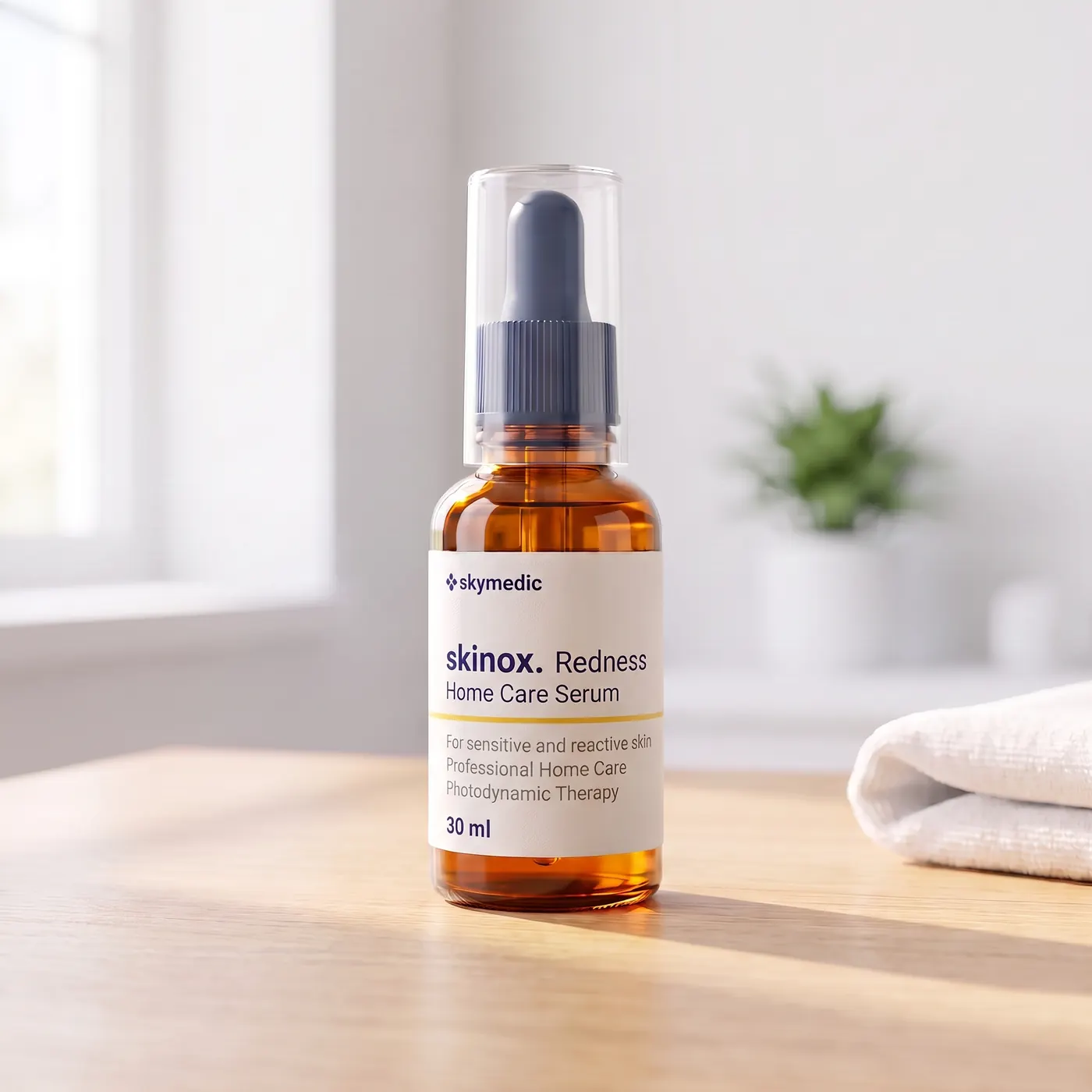
The equipment we use
Common questions
Still have a question? Email us.
Do I need a consultation first?
Yes. We assess your skin, medical history and goals before any treatment, and explain your options and costs. You decide afterwards whether to go ahead.
Will my skin peel?
It depends on the peel. Light peels may cause little visible peeling. We tell you what to expect first.
How should I prepare?
You may need to stop some skincare products, such as retinoids, before your peel. We tell you what to stop and when.
How many sessions will I need?
It depends on your skin and your goals. We agree a plan with you at your consultation.
How much does it cost?
A single session is £160 for the face or body. That is the price for one session, not a package, and includes VAT. Your consultation is free: we confirm your price there, and explain any package price if a course of sessions may suit you.